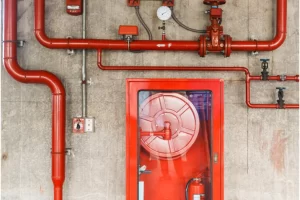


The complexity of modern construction projects demands seamless collaboration between various disciplines to ensure timely delivery, cost efficiency, and high-quality outcomes. Among the critical components in a project, Mechanical, Electrical, and Plumbing (MEP) systems play a pivotal role in a building’s functionality and occupant comfort. Early MEP coordination has emerged as a cornerstone of successful project delivery, ensuring that potential conflicts are resolved before construction begins and that the systems are seamlessly integrated into the overall design.
This article explores the benefits of early MEP coordination, its impact on project delivery, and how leading firms like ProMEP contribute to optimized outcomes with their MEP design expertise.
Understanding Early MEP Coordination
Early MEP coordination refers to the integration of MEP design and planning at the conceptual or initial stages of a project. Traditionally, MEP considerations were introduced after architectural and structural designs were largely completed, often leading to costly and time-consuming adjustments. Today, early coordination fosters a collaborative approach that involves all stakeholders—architects, engineers, contractors, and MEP designers—from the outset.
Key Benefits of Early MEP Coordination
1. Minimizing Design Conflicts
One of the most significant advantages of early MEP coordination is the ability to identify and resolve potential design conflicts before construction begins.
- Example: Overlapping ductwork with structural beams or plumbing lines interfering with electrical conduits can be flagged early, avoiding costly on-site changes.
- Impact: Projects are executed more smoothly, with fewer delays and rework requirements.
2. Improved Cost Efficiency
Resolving issues during the design phase is exponentially cheaper than addressing them during construction. Early coordination helps achieve this by:
- Optimizing material use and reducing waste.
- Streamlining labor efforts through better planning.
- Avoiding costly rework due to unforeseen clashes between systems.
3. Enhanced System Integration
Incorporating MEP systems into the architectural and structural designs early ensures optimal system integration.
- MEP components can be aligned with architectural features, such as concealed HVAC ducts within ceilings or plumbing risers integrated into walls.
- Structural reinforcements can be planned to support heavy MEP equipment like chillers or generators.
4. Streamlined Construction Workflow
Early MEP coordination results in well-defined construction plans, reducing ambiguities and enhancing contractor efficiency.
- Clear layouts and installation sequences are established before breaking ground.
- Fewer disruptions occur during construction, leading to faster project timelines.
5. Improved Energy Efficiency and Sustainability
Early MEP coordination enables energy-efficient systems to be seamlessly integrated into the design. For instance:
- Placement of HVAC systems can be optimized for natural ventilation and cooling.
- Plumbing layouts can reduce water wastage.
- Electrical systems can incorporate smart lighting and energy management solutions.
6. Increased Client Satisfaction
By addressing potential challenges upfront and delivering a cohesive design, early MEP coordination ensures that client expectations are met or exceeded. A smooth project execution with fewer hiccups fosters trust and satisfaction.
ProMEP emphasizes the importance of early coordination in project delivery. Their approach includes:
- Comprehensive Planning: Detailed MEP layouts that integrate seamlessly with architectural and structural designs.
- Cutting-Edge Technology: Use of Software and advanced design tools to identify potential issues early.
- Sustainable Solutions: Energy-efficient and environmentally friendly designs tailored to each project’s needs.
- Collaborative Approach: Working closely with architects, engineers, and contractors to achieve unified project goals.
The Future of Early MEP Coordination
As construction projects grow more complex, early MEP coordination will become even more critical. Future trends include:
- Increased Use of Artificial Intelligence (AI): AI tools can analyze vast amounts of data to optimize MEP layouts and detect potential conflicts.
- Integration of IoT (Internet of Things): Smart MEP systems can be designed to interact with building management systems, enhancing efficiency and functionality.
- Focus on Resilience: Early coordination will increasingly emphasize designs that withstand natural disasters and climate change impacts.
ProMEP’s Vision: As industry leaders, ProMEP aims to remain at the forefront of these advancements, delivering innovative and reliable MEP solutions that support modern construction demands.
Conclusion
Early MEP coordination is no longer a luxury but a necessity in modern construction. It ensures that projects are delivered on time, within budget, and with the highest standards of quality. By fostering collaboration between all stakeholders, addressing conflicts proactively, and leveraging advanced technology, early coordination sets the foundation for successful project outcomes.
As the industry continues to evolve, embracing early MEP coordination will remain a key strategy for navigating the complexities of construction and delivering structures that are as functional as they are inspiring.